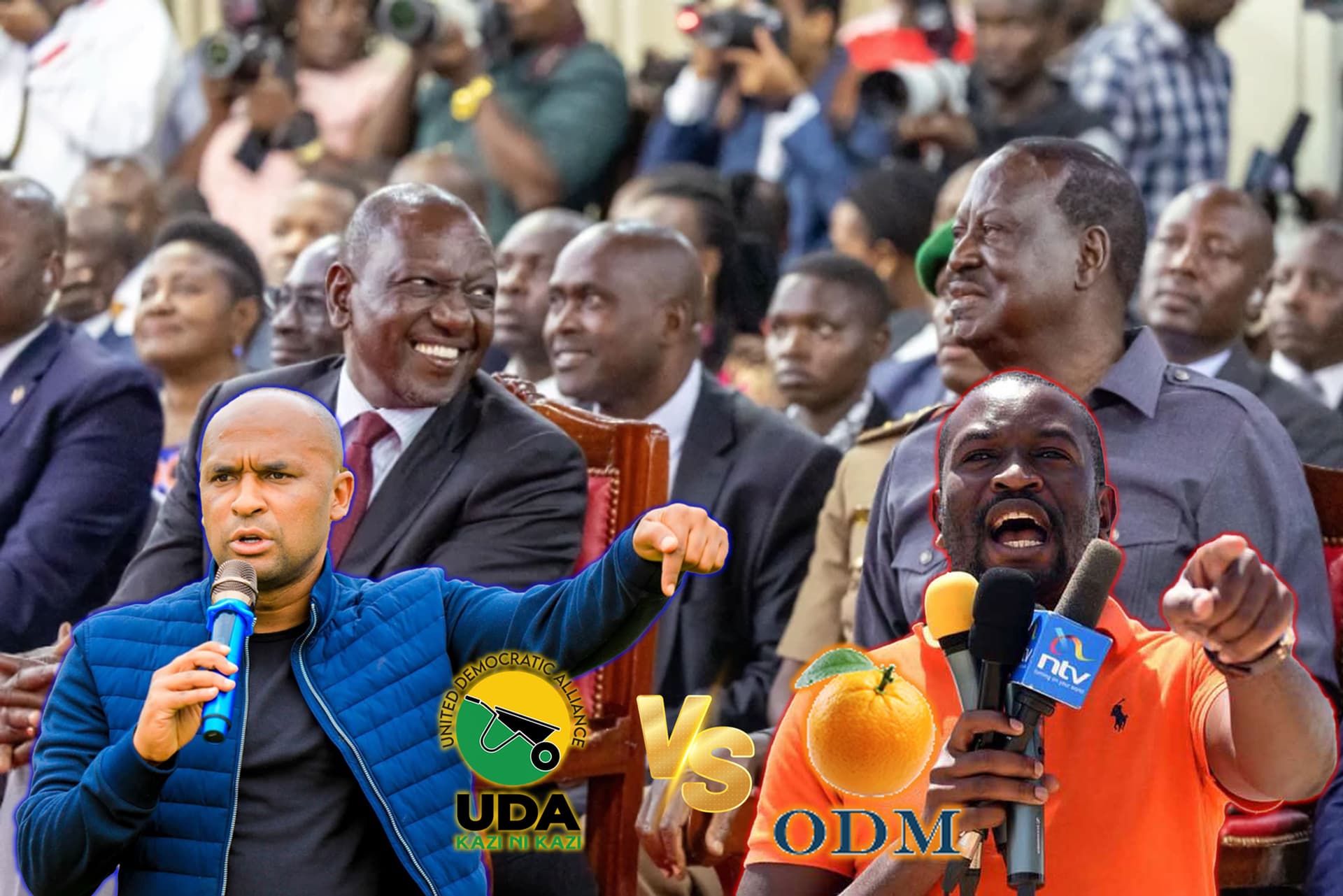
President William Ruto has come under sharp criticism from the Orange Democratic Movement (ODM), led by Raila Odinga, following his recent order to the National Police Service to shoot violent protesters. ODM Secretary General Edwin Sifuna condemned Ruto's comments, labeling them reckless and indicative of a troubling path for the nation.
In a passionate address in the Senate, Sifuna highlighted the real-world consequences of such orders, referring to the tragic case of Rex Masai, a young man who was shot in the leg during the protests. “How can you tell people to shoot individuals in the leg as if those injuries are sustainable? We want to make it very clear, as a country, we've totally lost our way,” Sifuna stated, emphasizing the gravity of Ruto's directives.
Former Prime Minister Raila Odinga also weighed in, issuing a strongly worded statement to criticize Ruto’s approach. He denounced any directives aimed at killing, maiming, or traumatizing citizens as deeply wrong and a violation of human rights, warning that such tactics could escalate violence and unrest in the country.
In a counter-response, Nyaribari Chache MP Zaheer Jhanda took to social media platform X to voice his disapproval of Raila and the ODM party's stance. Jhanda accused them of trying to dictate how Ruto should govern. He asserted that ODM lacks the moral authority to criticize Ruto, pointing out that the party has never won a national election.
“ODM should not threaten or lecture us on how to run the government or address human rights issues. They have never won any elections,” Jhanda declared on Saturday, July 12. He went further to argue that the ODM's criticisms would not hold weight unless its members chose to resign from the broad-based government. “If they’re uncomfortable with the broad-based government, then MUHAME Mbio... Ask your ministers to resign, and then we shall take you seriously. Otherwise, fungeni mdomo,” he added, urging the party to either participate fairly or step aside.
The ongoing discourse highlights the deep political divides within the country, especially regarding how to manage dissent and maintain public order. As the situation unfolds, both sides continue to grapple with the implications of Ruto’s directives and their potential impact on Kenya’s political climate.